
Who Gets to Belong?
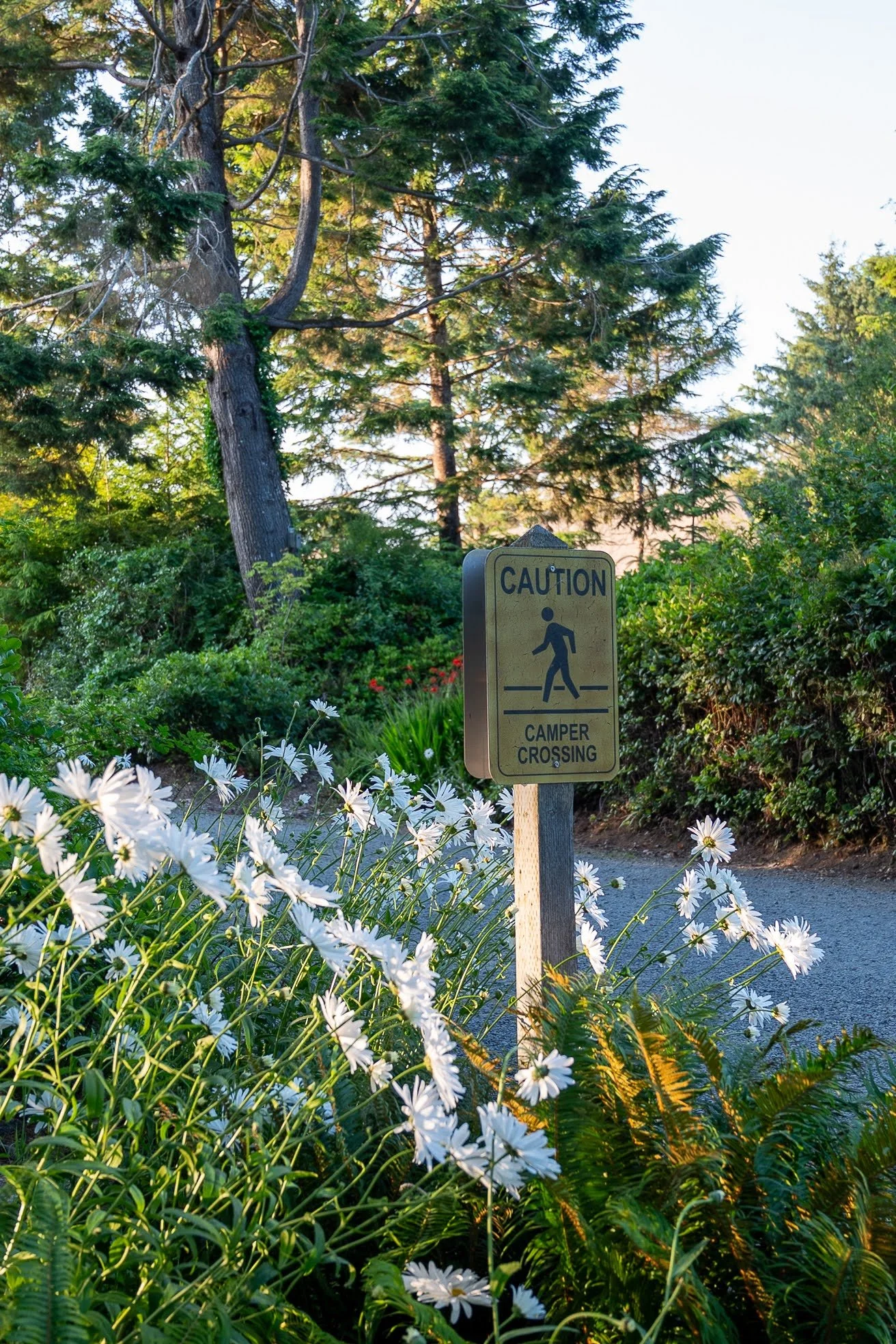
Twin Rocks Friends Camp & Conference Center, Rockaway Beach, OR
A few weeks ago, Whitley, Sarah, and I spent a week at a Joni and Friends Family Retreat. I served as a buddy, which mostly meant being with someone for the week through meals, activities, worship, conversations, and the ordinary rhythms of each day. I went expecting to serve, and I did, but I came home thinking much more about what the church says it believes about people and whether we actually live as though those things are true.
Part of that is personal for me. I am the brother of a sister with Down syndrome, so differing ability has never just been an idea or a ministry category. Rather, it has always been part of my family. Scripture tells us that every person bears the image of God (Genesis 1v27), and I think we can say that so often that we stop feeling the weight of it. A person's worth is not tied to how independent they are, how quickly they learn, or what they are able to contribute. Their dignity is already there because God gave it to them. And the Christian story goes even further. “The Word became flesh and dwelt among us” (John 1v14). God did not keep His distance from human weakness or limitation. He entered fully into human life.
I think we have a bad habit of treating independence as the goal of being human. The stronger you are and the less you need from other people, the better. But that is not really a Christian view of humanity. We are dependent creatures, all of us, even if some of us are better at hiding it. We depend on God for life itself, and we depend on one another in ways we rarely stop to notice. We need to be cared for and forgiven. We need to be taught, carried, encouraged, and loved. None of that makes us less human. If anything, the incarnation shows us that embodied and dependent life is not beneath God. Jesus took on flesh. He grew tired. He received care from others and lived his life in relationship with them. That changes the way I think about differing ability, because dependence is not a defect that separates some people from the rest of us. It is part of what it means to be a creature.
Paul says that the parts of the body that seem weaker are “indispensable” (1 Corinthians 12v22). That word gets me. Indispensable. Not tolerated, and not included simply because Christians are supposed to be kind. Needed. People with differing abilities are not standing outside the church waiting for us to decide whether there is room for them. They are part of the body already, and if they are missing, then something is missing from us too. I think the church has to take that seriously, especially because families affected by disability often carry things that most of us never see. The church should be a place that steps in, shares the load, makes room, learns how to communicate, and remains present over the long haul (Galatians 6v2). Why? Because that is what the body of Christ is supposed to do for one another.
That is probably what I left Joni and Friends thinking about most. I did not come home feeling like I had spent a week helping people who needed me. I came home more aware of how much I need other people too, and how easily I can forget that. My sister has been teaching me that for years. Differing ability is not differing humanity. The church should be one of the few places where no one has to prove that they are worth our time, attention, care, or love. We belong to Christ, and because we belong to Christ, we belong to one another.
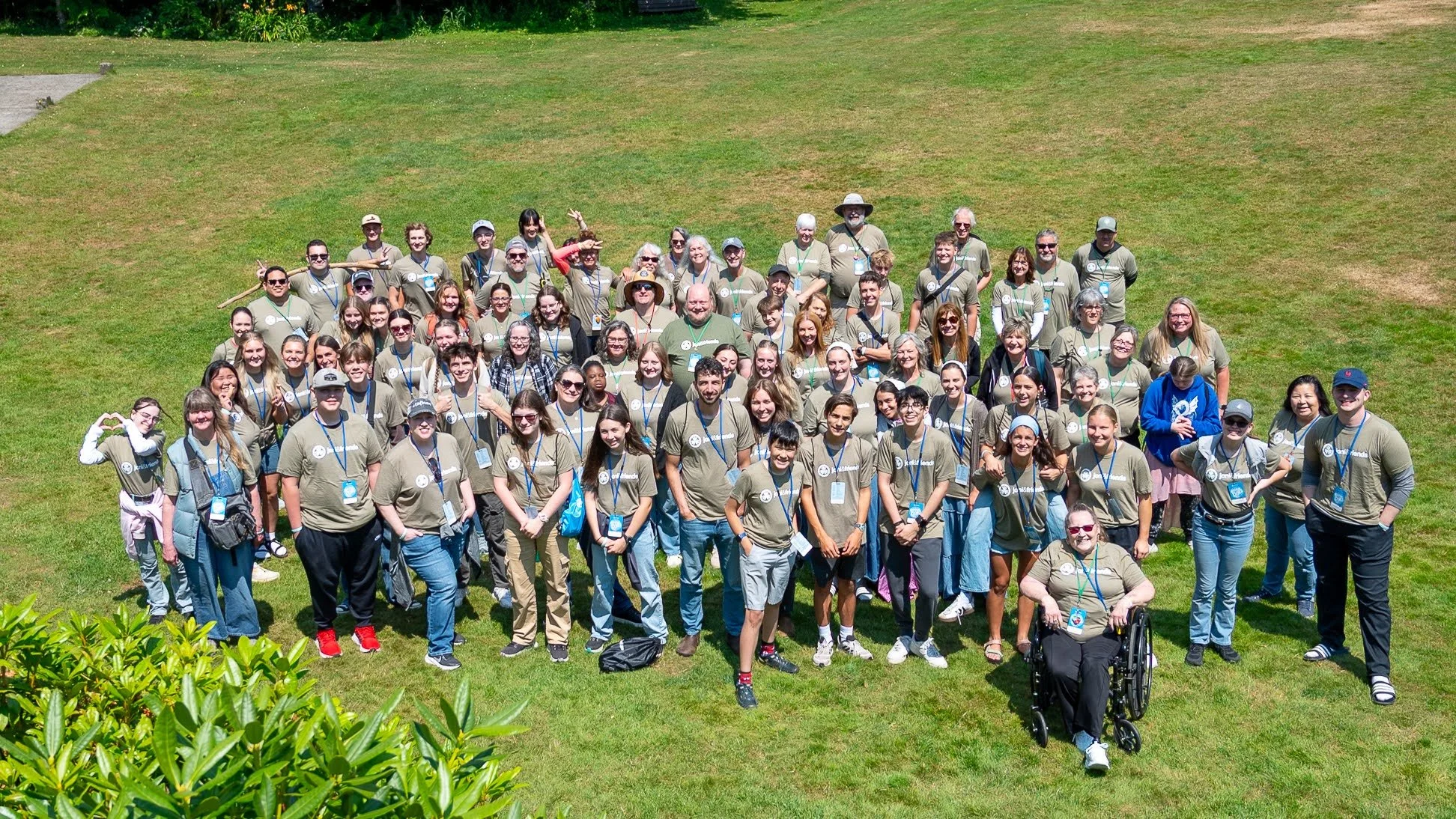
Joni and Friends Family Retreat
