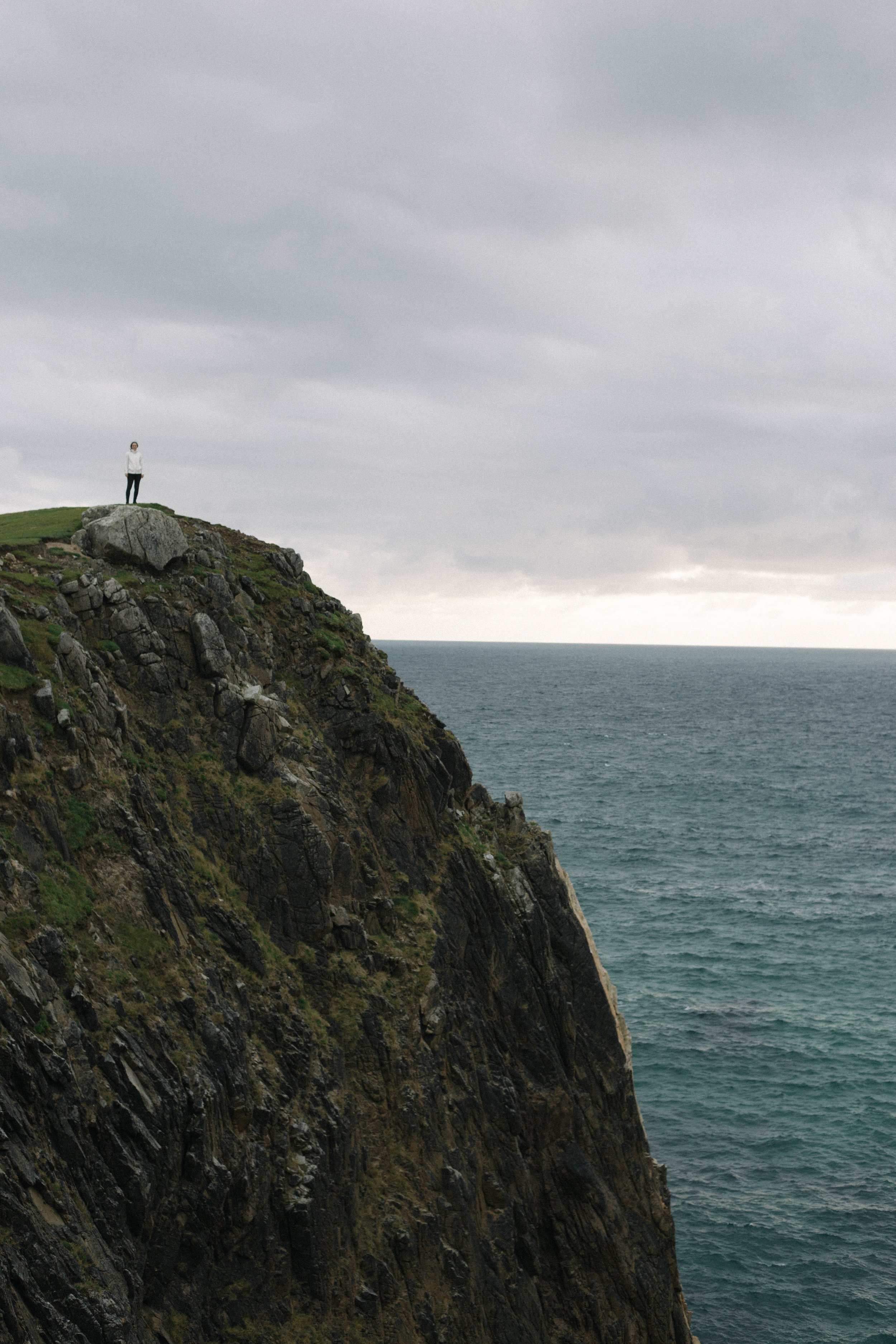
Isle of Lewis, Scotland. From my sabbatical in 2017.
This is my fourth and final post in a series on rest through sabbatical. Check out the first three:
I’ve had so many people ask me what I’ll be doing on my sabbatical. Thank you for your interest! For those who are curious, I thought I would write it down here. I will also share some ways you can practice forms of sabbatical, even if you aren’t afforded the opportunity for a full-fledged one through your employer.
First, before I talk about what I’ll be doing, I need to say that what we typically think of as a sabbatical is not the same as what the Bible means when it describes one. Because of the way the term is used in academia, people tend to think of a sabbatical as a writing or study break. But biblically speaking, a sabbatical is a year of letting the land rest from its work, along with the creatures who inhabit it. I’ve written/reposted about that here. In ancient Israel, sabbatical was not reserved for the privileged and wealthy, it was a gift from God for everyone! Wouldn’t it be amazing to be a part of a society that practiced this? I am sure many of us long for that kind of rest—practicing for eternity.
While that may not be available to you due to your line of work, I do think that all people can glean some principles from God’s design for the life of his people. I’ll mention those after talking about my own plans, using the outline from last week’s post: Rest, Recalibration, Re-entry.
Rest
My first month of sabbatical will focus on rest. Much of that will simply mean unplugging from the normal rhythms of life and burdens of ministry. My family and I (along with my sister’s whole family) are blessed to have my mom take us to Ireland! None of us have ever been before, and we will get to spend around 12 days there together. I’m thoroughly excited! Following that leg of the journey, since we’ll already be across the pond, Emily and I will send our kids home and head over to Scotland to celebrate our 25th wedding anniversary (praise the Lord!). How will we celebrate? By walking 100 miles through the Scottish Highlands, of course!
I’m looking forward to connecting with family, building memories, taking film photos, soaking up the culture, and enjoying God’s good creation. I anticipate that there will be hard times (especially on the single track roads!), but I am hopeful that God will use this time to help my body let down from the stresses of everyday ministry and experience his gentle hand leading me to green pastures.
How can this rest principle be integrated into our lives as a community?
You may not have a whole month off for rest, but I wonder how much more healthy and whole we would be if we practiced receiving God’s gracious gift of sabbath rest for one day every single week? How much more at peace would we be in our work? Or, if we get a week or two for vacation, rather than merely approaching it as an escape from work, how can we utilize it for a time of spiritual renewal?
Recalibration
For the second month of sabbatical, I will be working on recalibration. This doesn’t mean that rest will cease, but rather that I will have devoted time to prayerful consideration of who I am becoming and what needs to, by God’s grace, change in me. In order to do this, I will set aside time each day to practice the Daily Examen, and have some extended times of silence and solitude in quiet places in the area. I’m also blessed to have a sabbatical coach (aka counselor/spiritual director) to help me see myself, lending his wisdom and discernment as to what God might be inviting me to grow in. Beyond that, I will try new rhythms of rest with my family that I (and we) may want to incorporate upon my return from sabbatical.
How can this recalibration principle be integrated into our lives as a community? Even if you can’t go on a sabbatical yourself, you can recalibrate through regular times of solitude. Currently on our staff, we have a quarterly solitude day—could you take a personal day at your work once per quarter? If not, what could God do in you even through a simple faith step of practicing the Daily Examen for 15 minutes each day?
Re-entry
The month of re-entry is a preparation month, taking the things I have learned and applying them in practical ways to my habits and ways of being. I’m trusting that the Lord will have made me aware of things that he wants to change about my life and ministry, and each of those things can become actionable—whether it's adjusting my daily/weekly/monthly schedule or having a plan for who I will need to walk alongside me and how.
How can this reentry principle be integrated into our lives as a community?
If you have had times of rest and recalibration, pulling aside from your usual work and daily grind, then what would it look like to apply what God is teaching you? How does your work schedule or your family’s schedule or your sensitivity to the Holy Spirit need to become a part of your way of life? Here is a tool we shared during the Being Human Series that you can also use to make those changes more concrete in your everyday life.
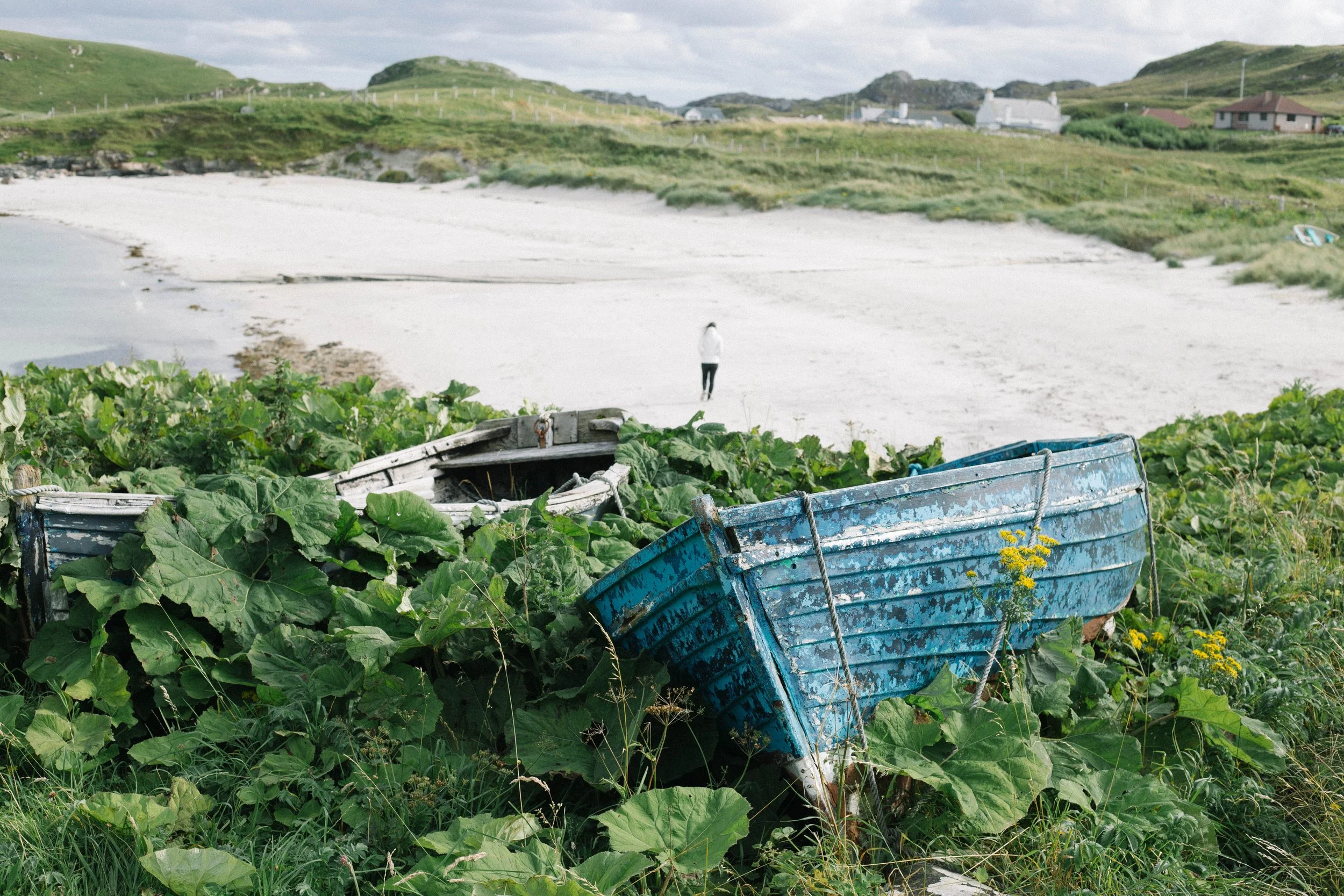
Isle of Lewis, Scotland. From my sabbatical in 2017.
Trinity, I am so grateful that you are gifting me this season to recharge and (Lord-willing) prepare for many more years of faithful ministry. I don’t take it for granted, and I am blessed to be called your pastor! Thank you for the many prayers and offerings of encouragement. While I’m gone, may I request your prayers continue? My family and I need the Spirit of God to cover us!
In the Love of Christ,
Pastor Joel